advanced
Continuous Lenia
A liquid cellular automaton where continuous fields grow, travel and collapse.
Interactive experiments
Simulations of chaos, artificial life, physics, fractals, networks, game theory and algorithms.
46 experiments · 8 topics · they run in the browser, nothing to install, no sign-up

Each topic starts with the big, advanced labs and ends with the basic ones.
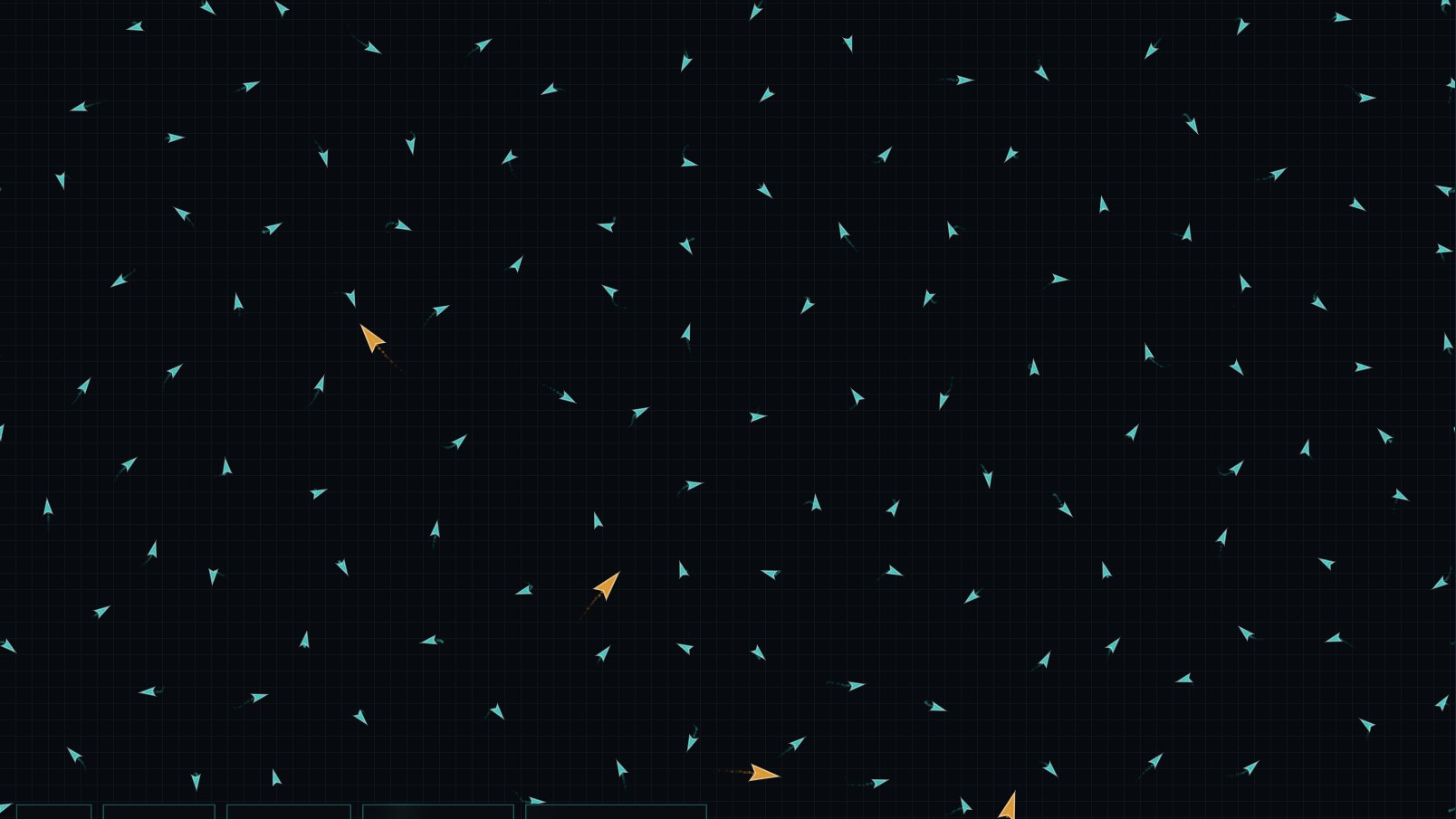
Simple local rules, no leader, and still something that looks alive.
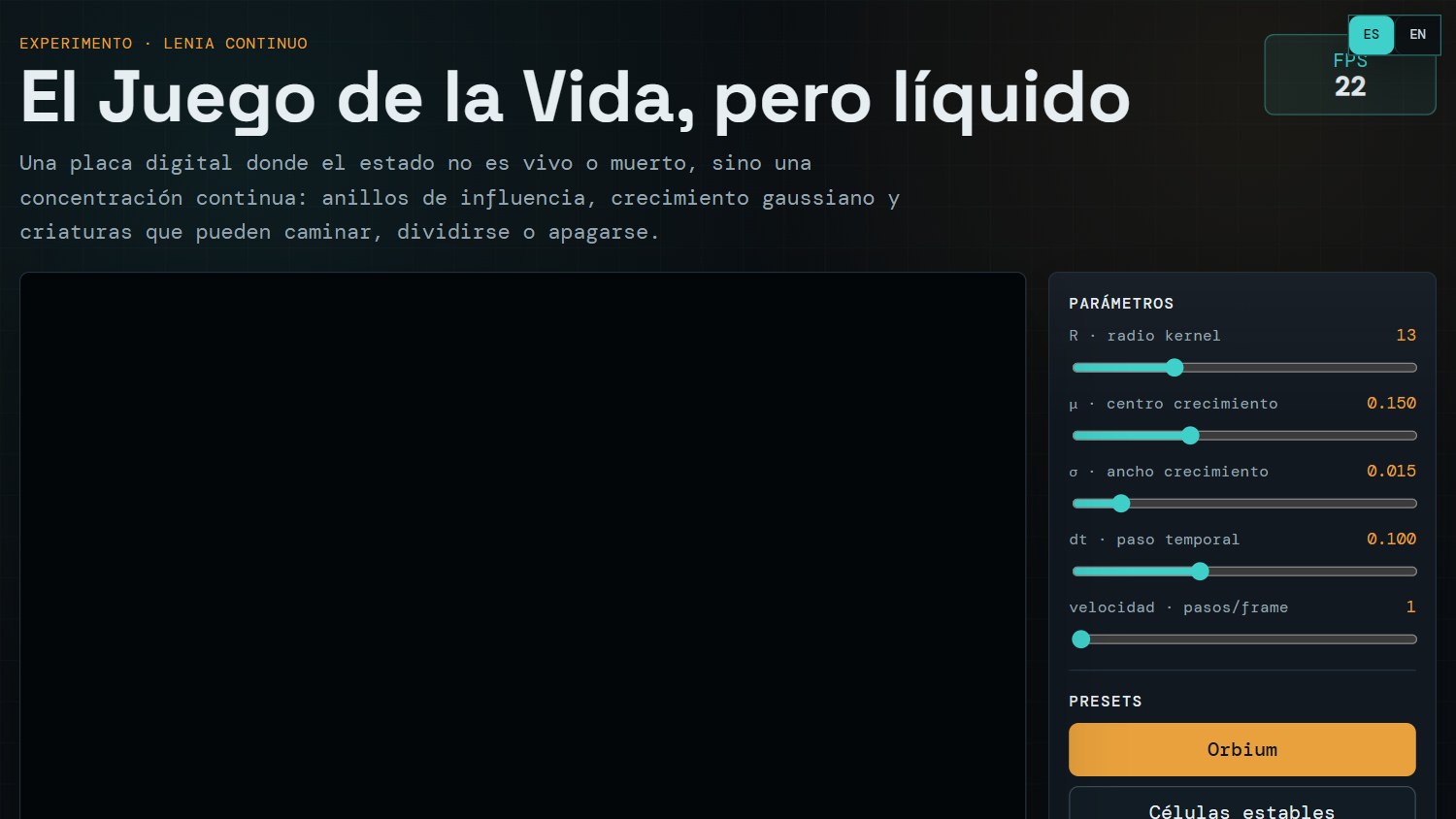
A liquid cellular automaton where continuous fields grow, travel and collapse.
Flocking agents face predators, selection pressure and evolving behavior.
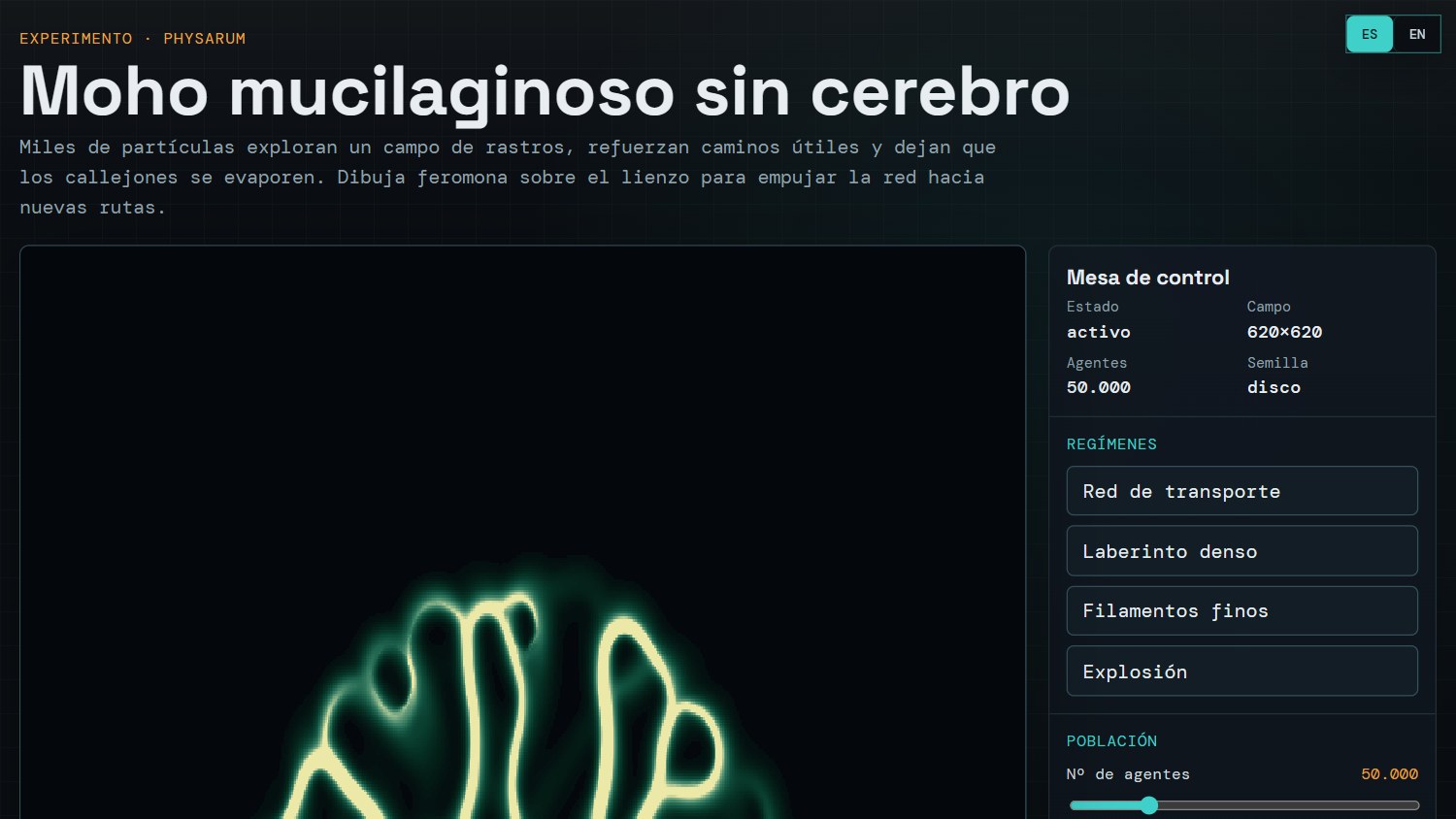
Slime-mold agents lay trails and self-organize into living-looking transport networks.
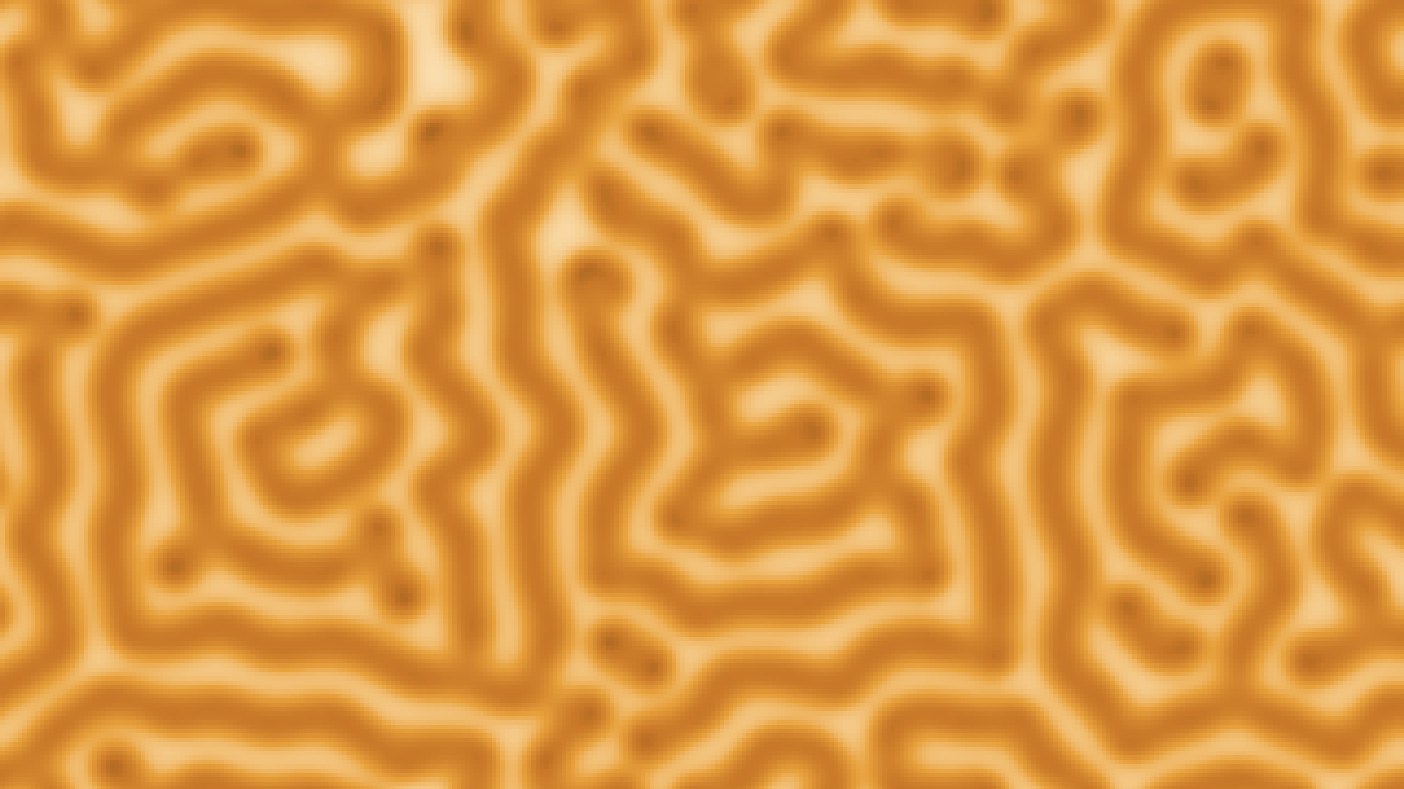
Two virtual chemicals diffuse and react in a Gray–Scott model, producing Turing-like spots, stripes and mazes.
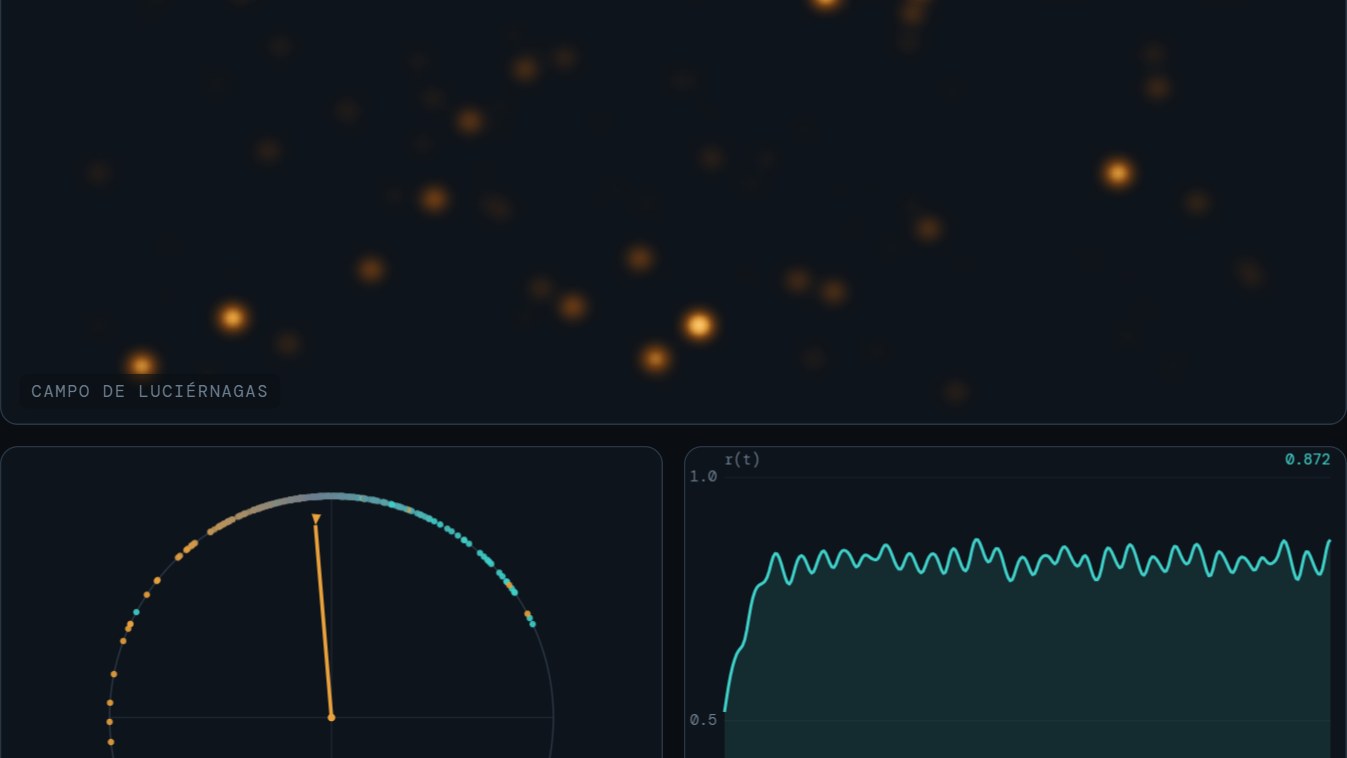
Many oscillators with different rhythms lock together when coupling becomes strong enough.
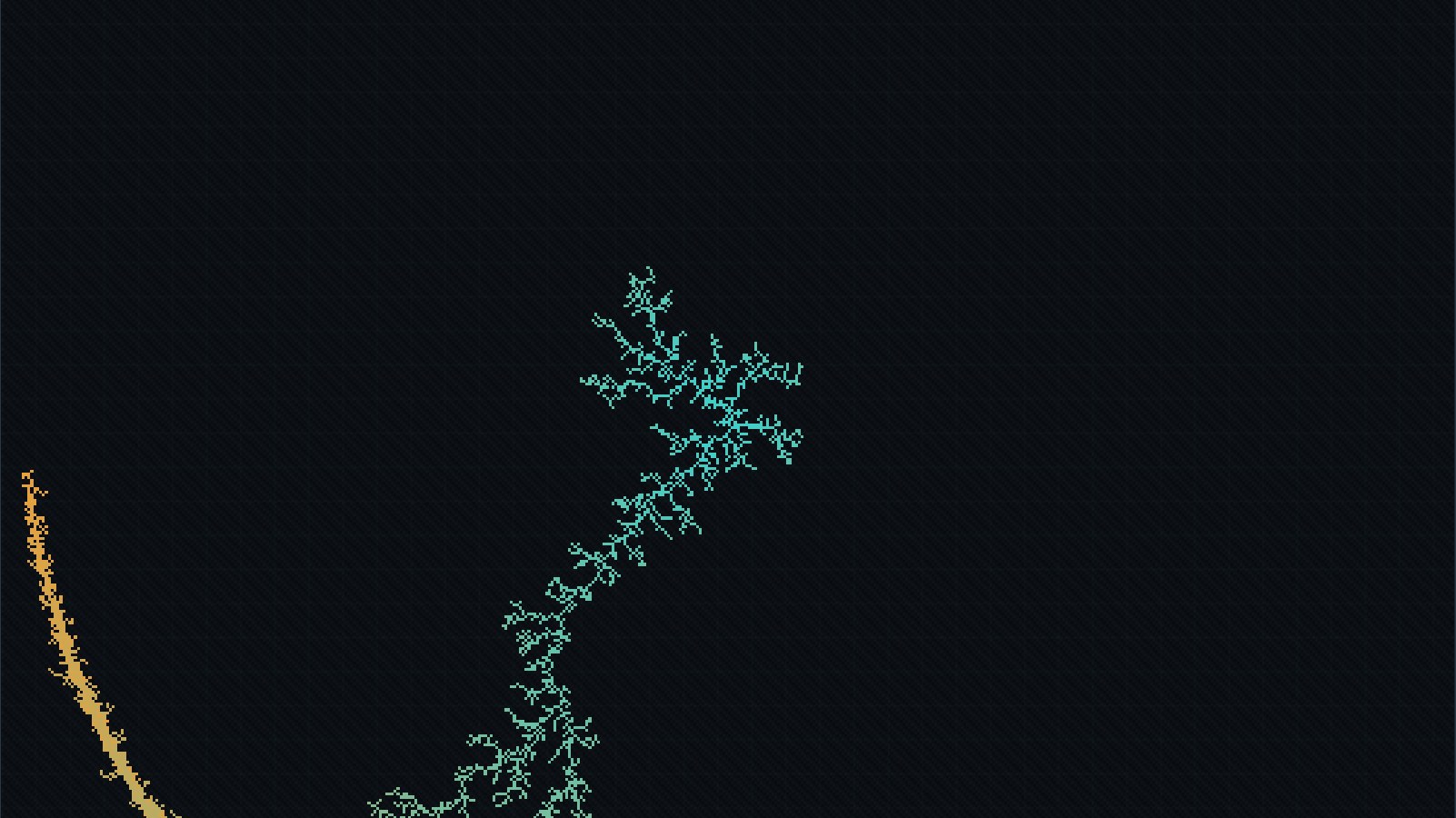
Random walkers stick to a seed and grow branching, lightning-like clusters.
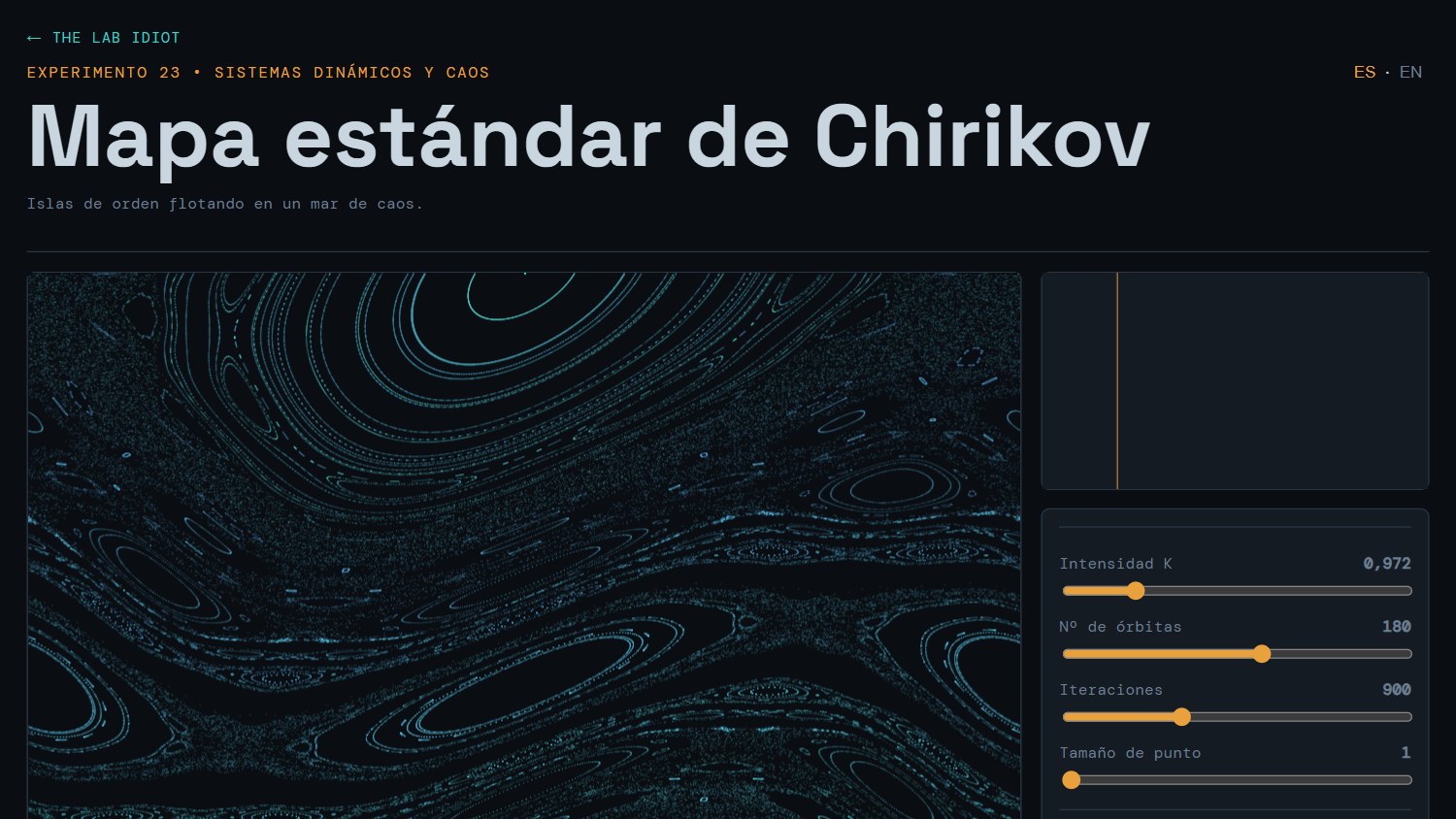
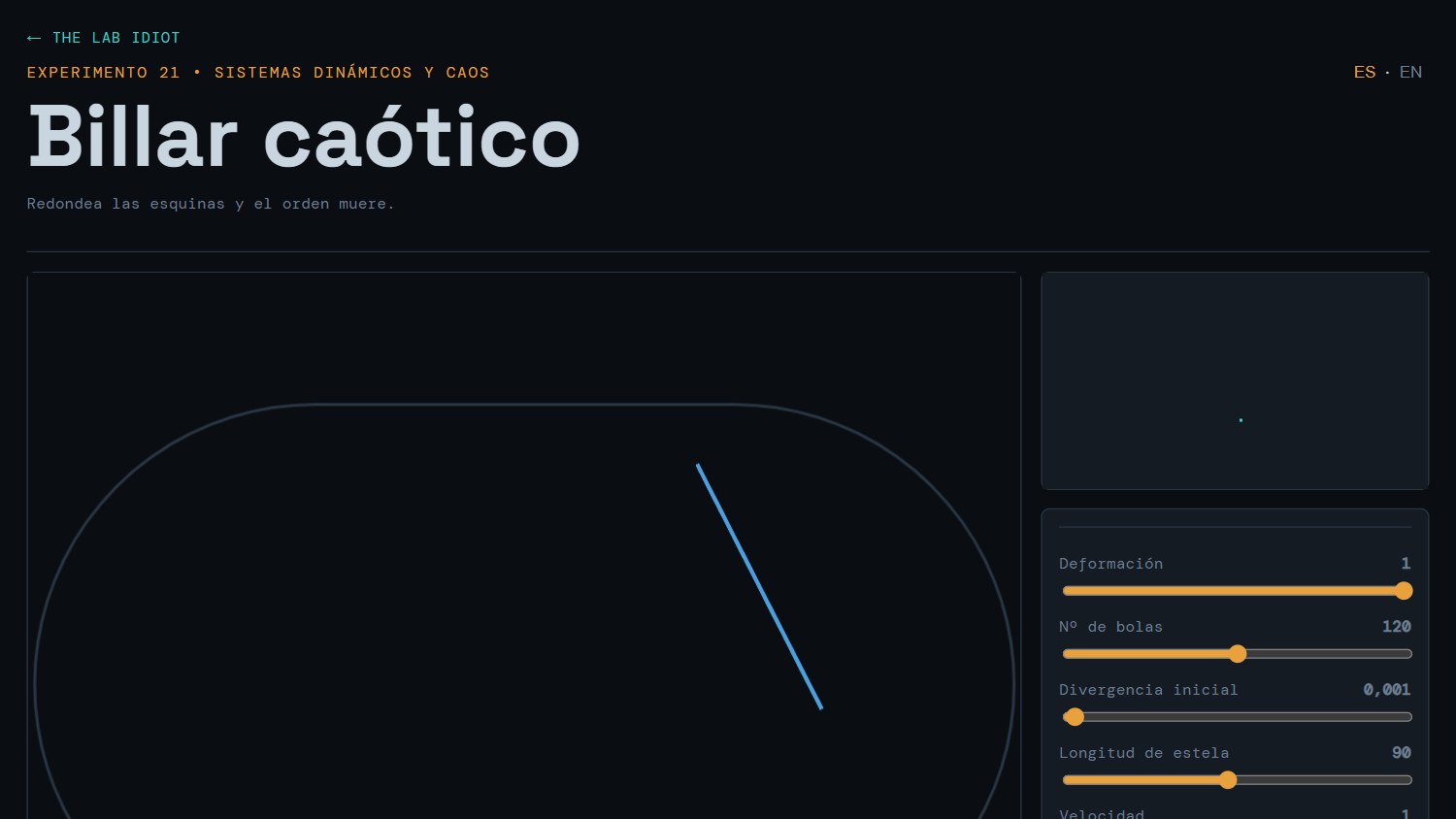
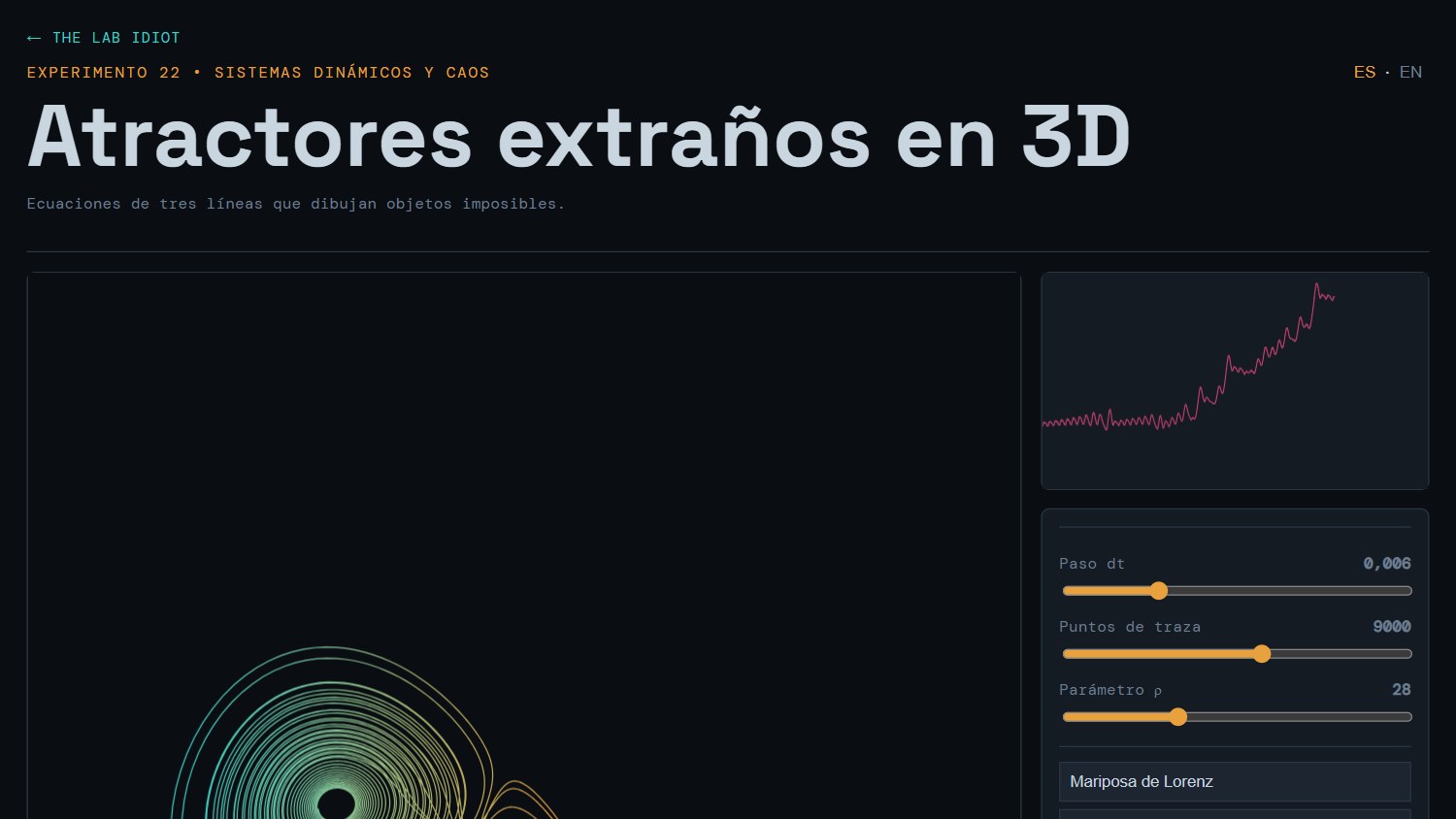
Deterministic equations that still refuse to be predicted.
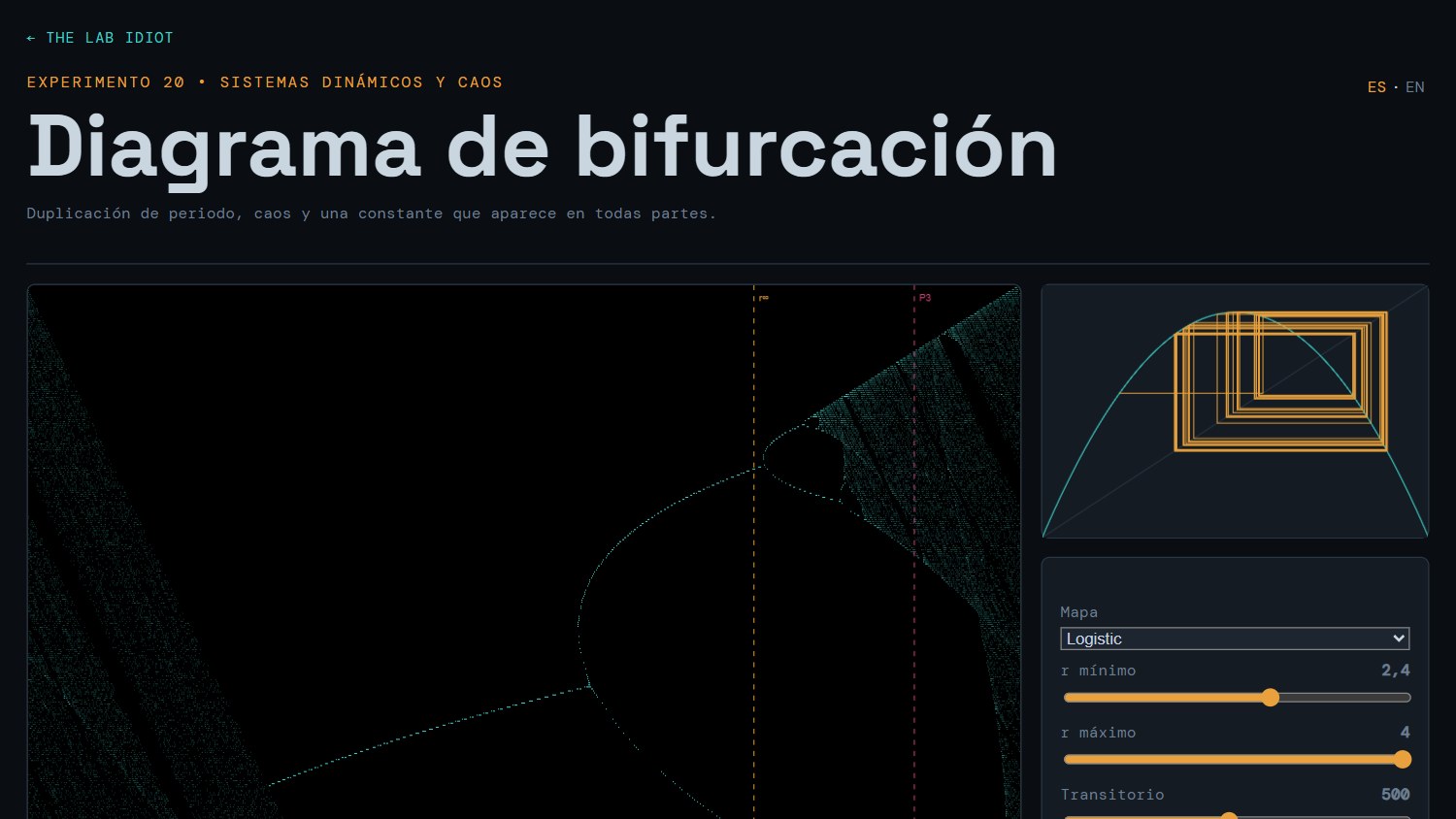
Period doubling, chaos, periodic windows and Feigenbaum’s constant.
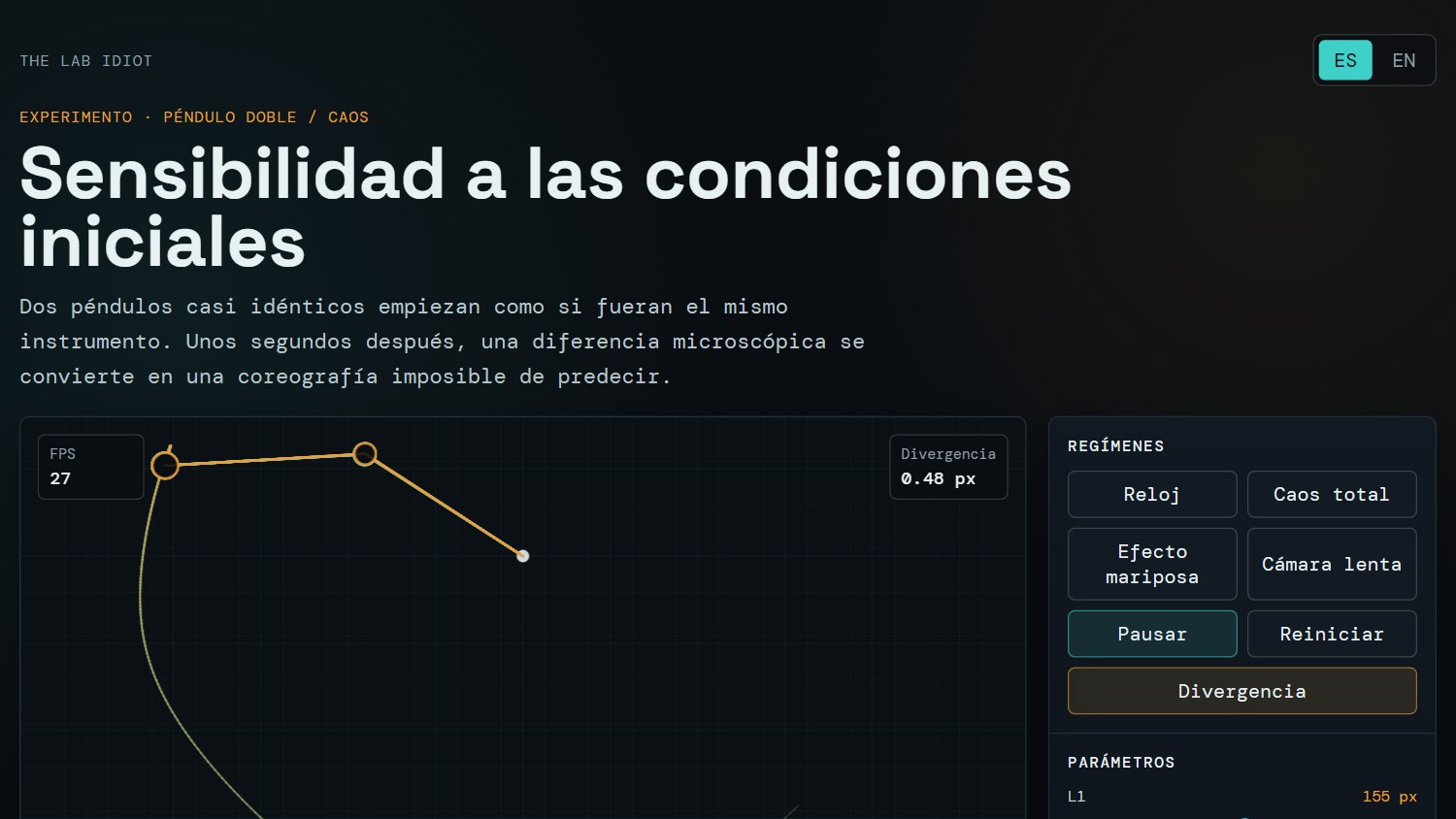
A tiny change in initial conditions becomes a completely different pendulum path.
Mechanics, light and quantum probability you can poke at.
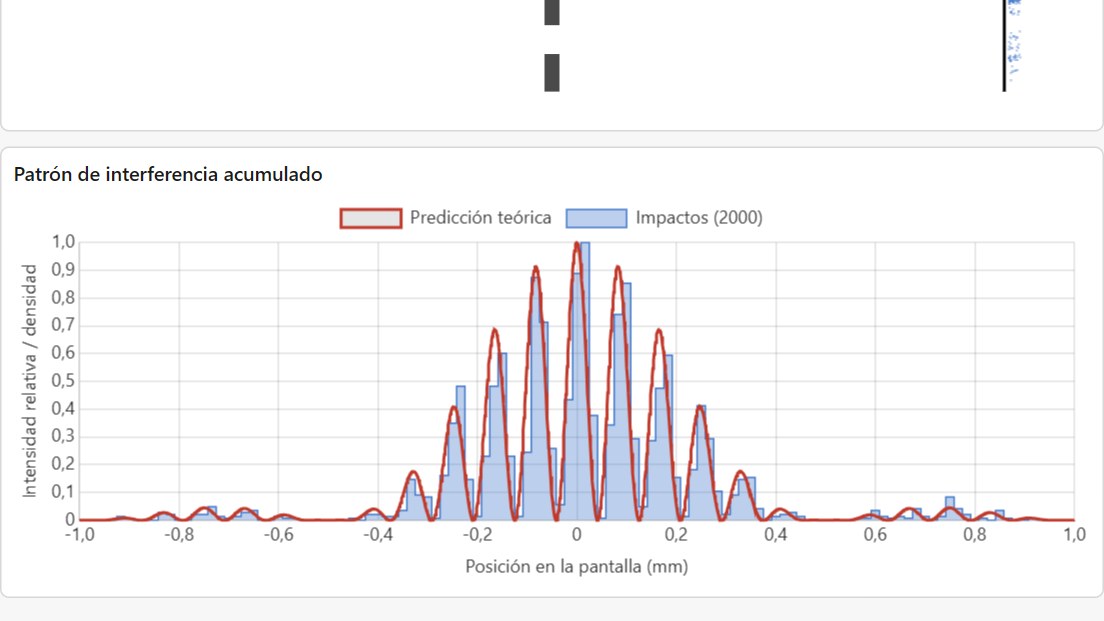
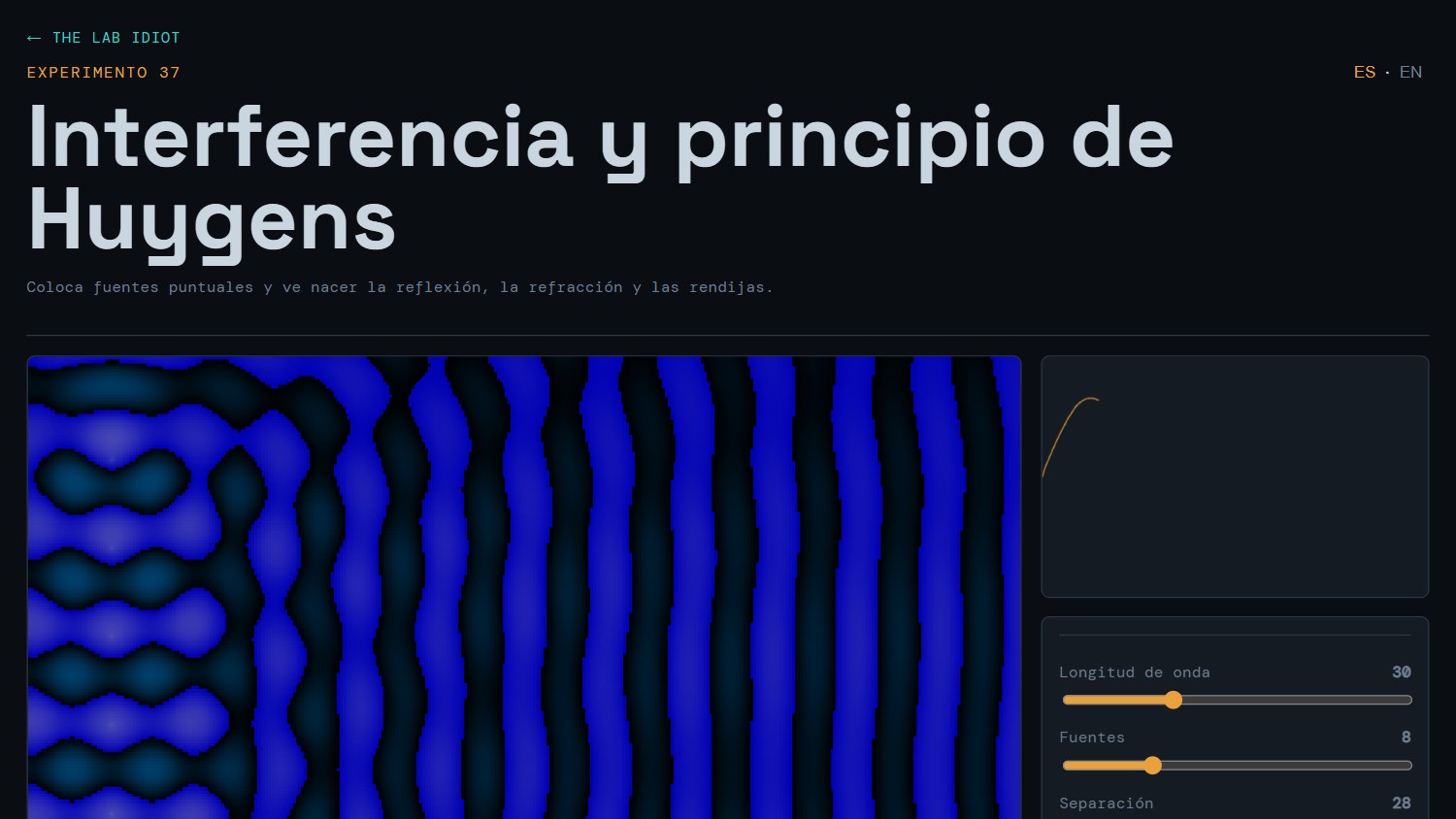
An interactive double-slit experiment: watch interference build up one particle at a time.
Infinite detail, noise and oscillators turned into images.
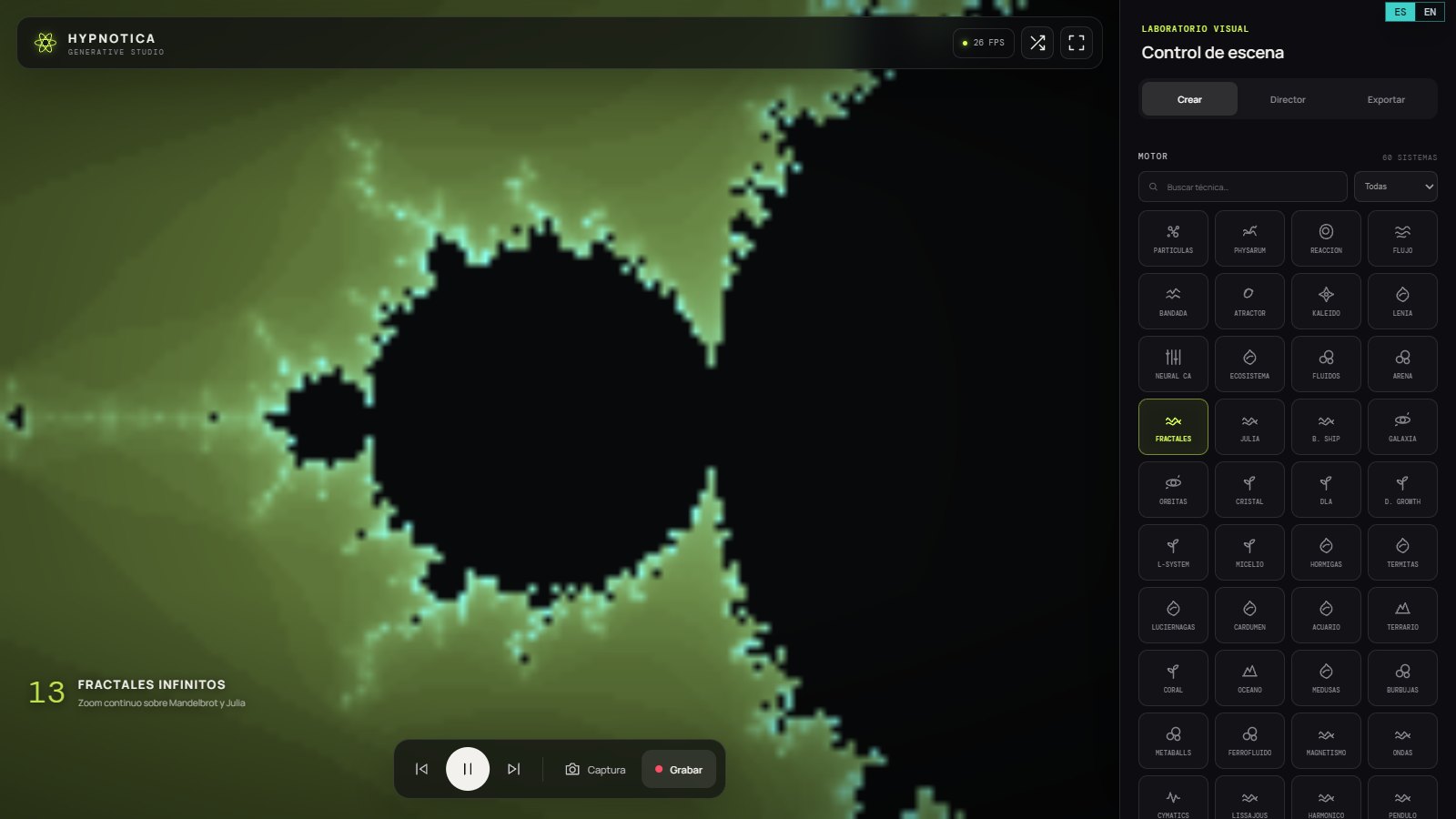
A generative visual studio with 60 procedural engines that react to sound and can evolve for long periods.
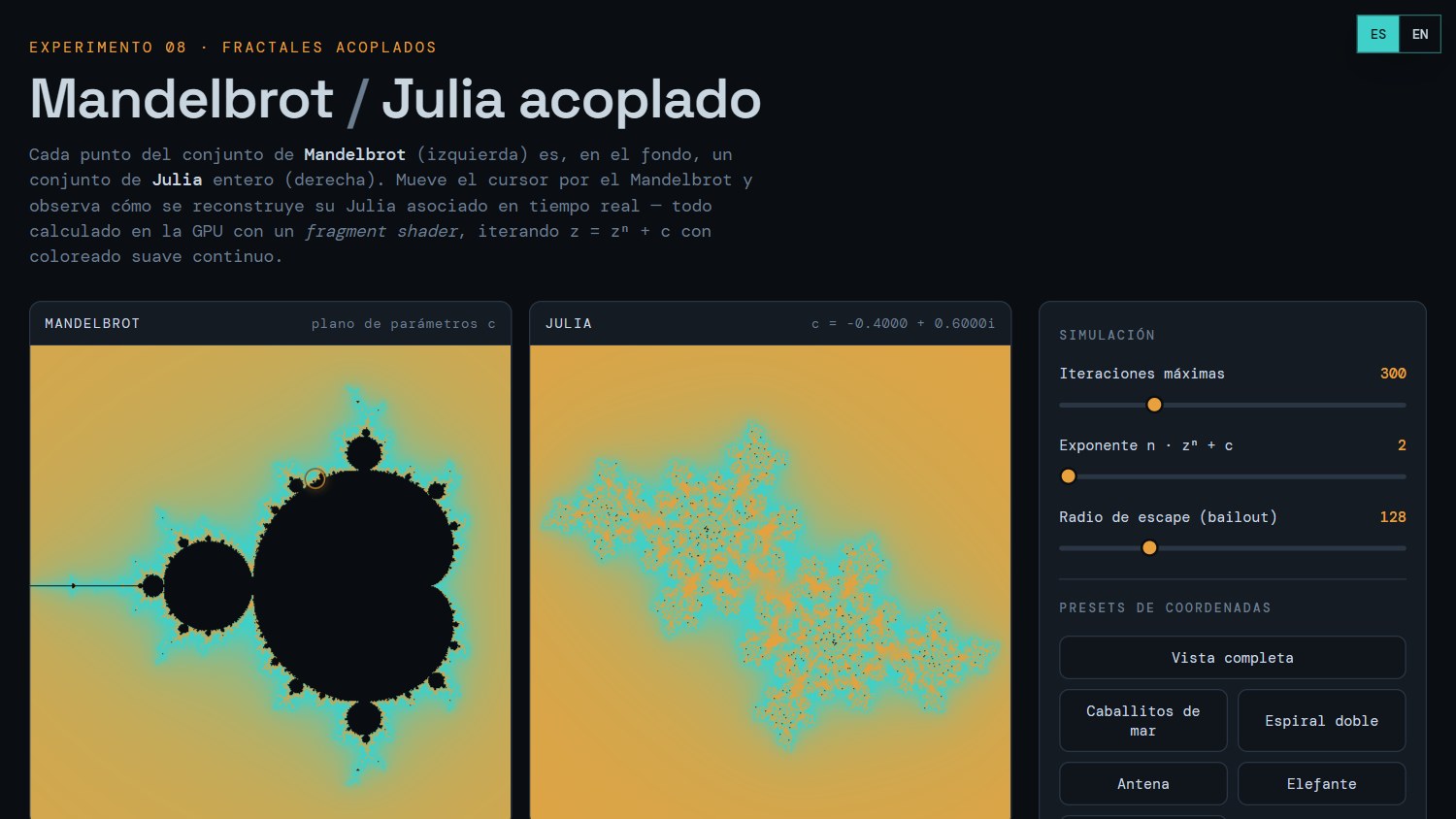
Move through the Mandelbrot set and watch the matching Julia set update.
Coupled oscillations draw Lissajous curves and slowly decaying harmonograph patterns.
When connections decide everything: tipping points, hubs and contagion.
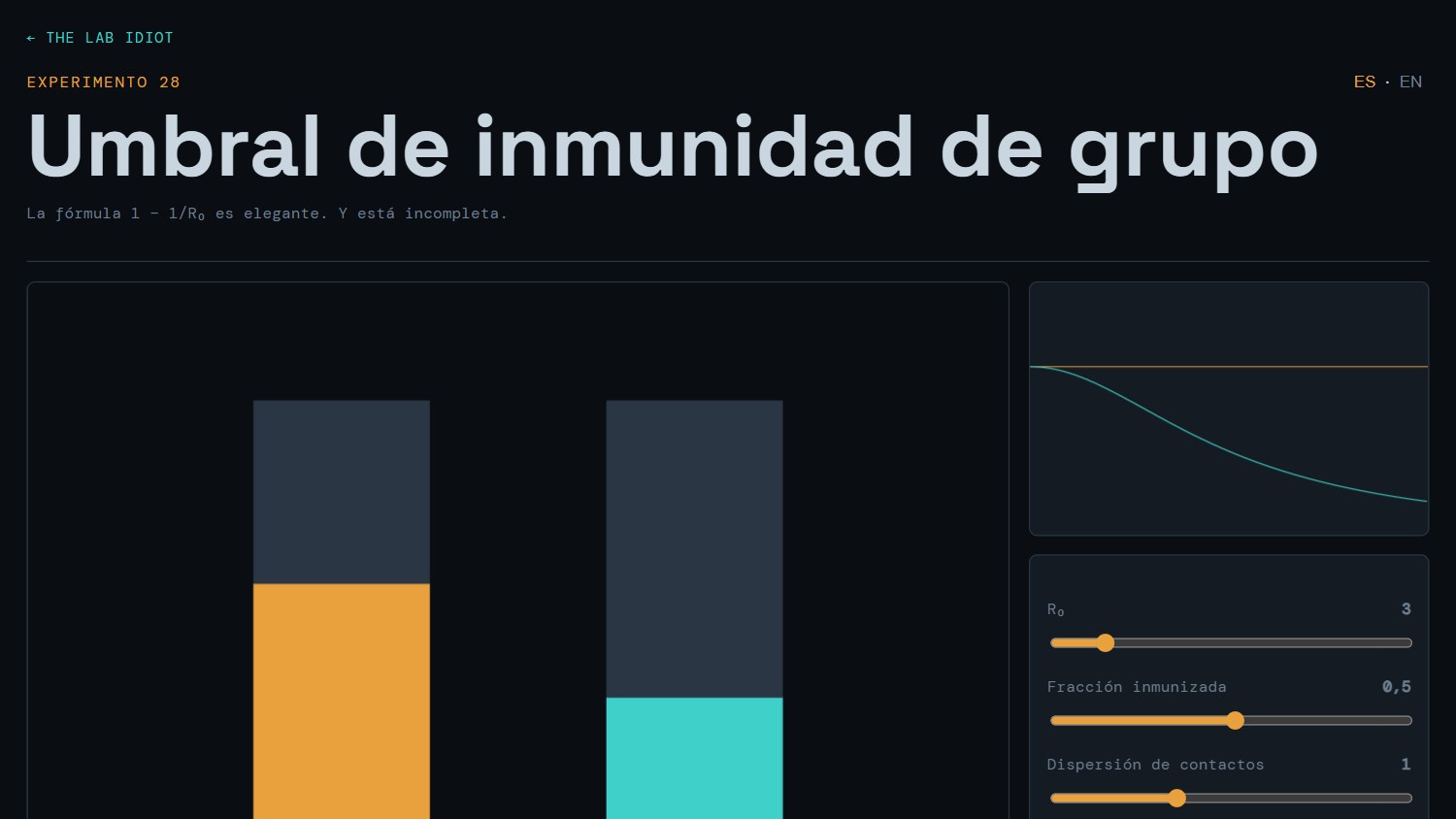
The same β and γ can produce different outbreaks depending on contacts.
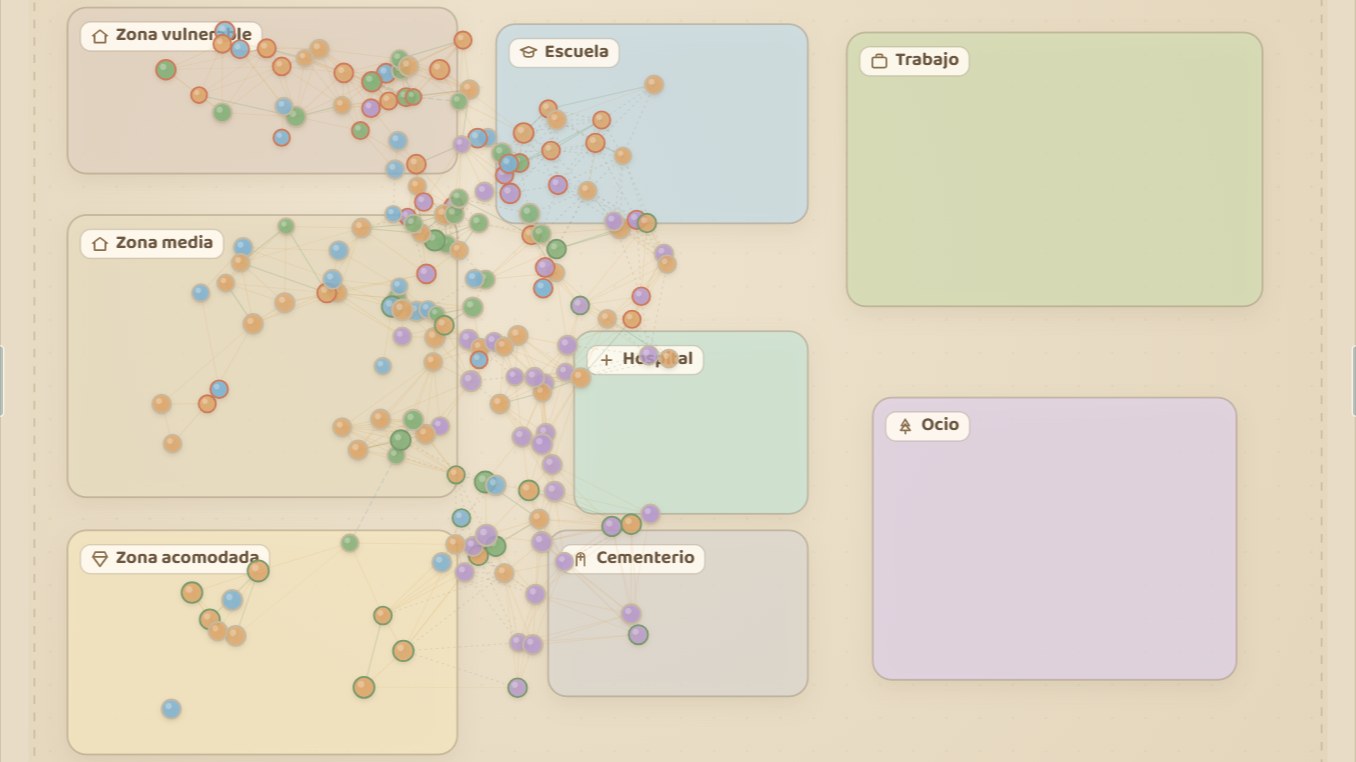
Agents with tiny preferences and big unintended consequences.
An uncalibrated agent toy for exploring how chosen local rules create aggregate patterns.
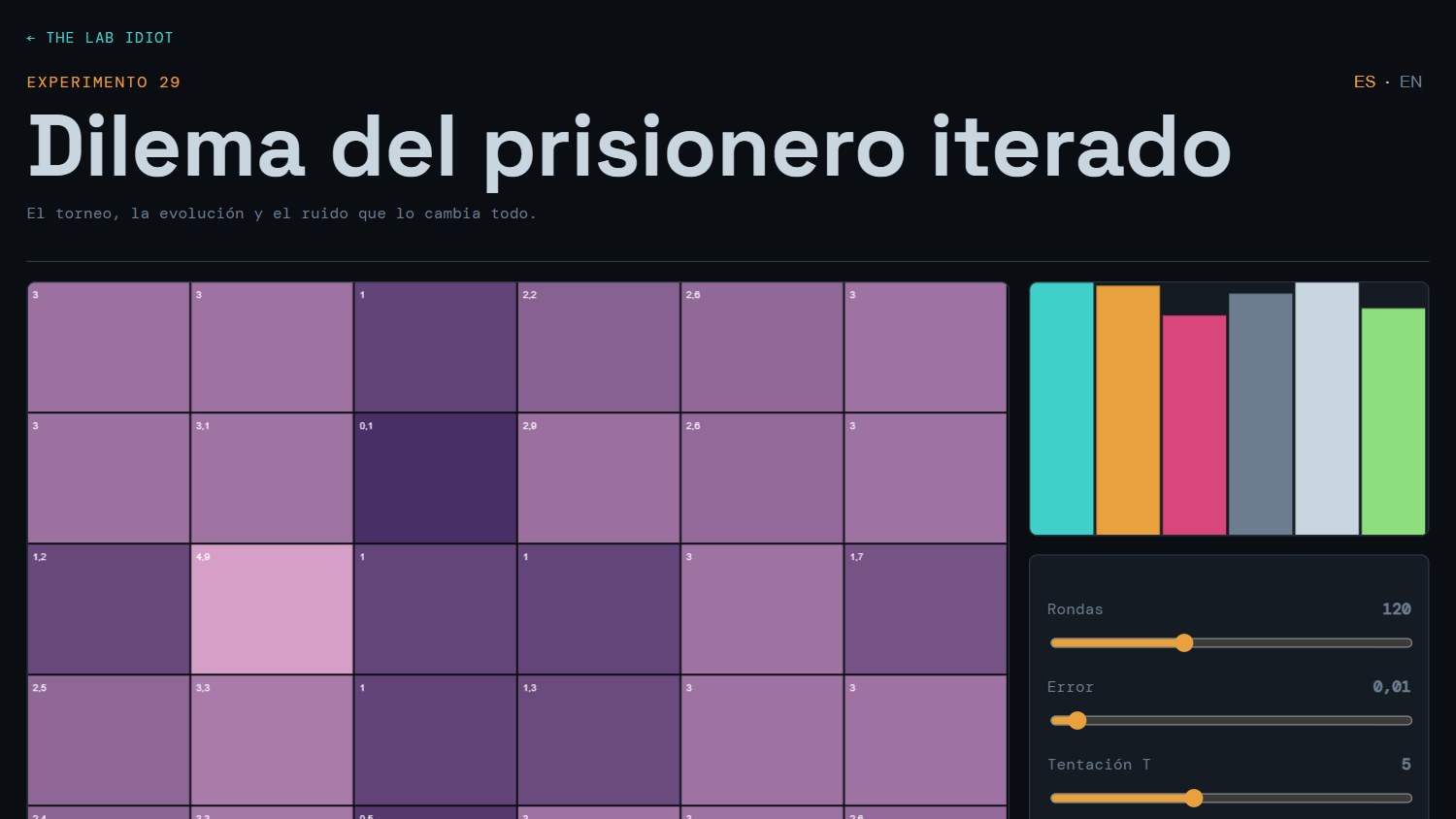
The tournament, evolution, and the noise that changes everything.
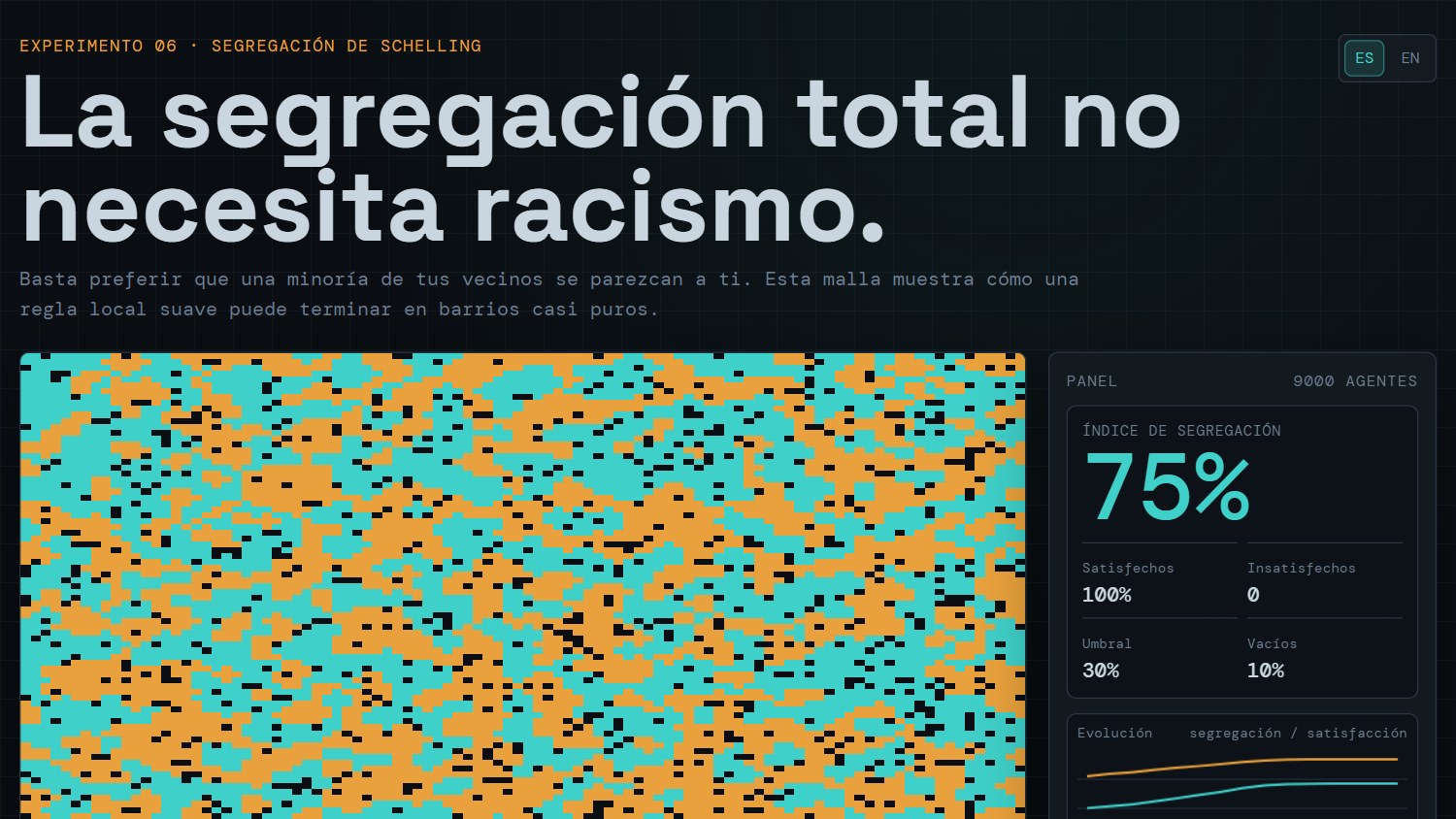
Small preferences at the agent level can create large-scale segregation.
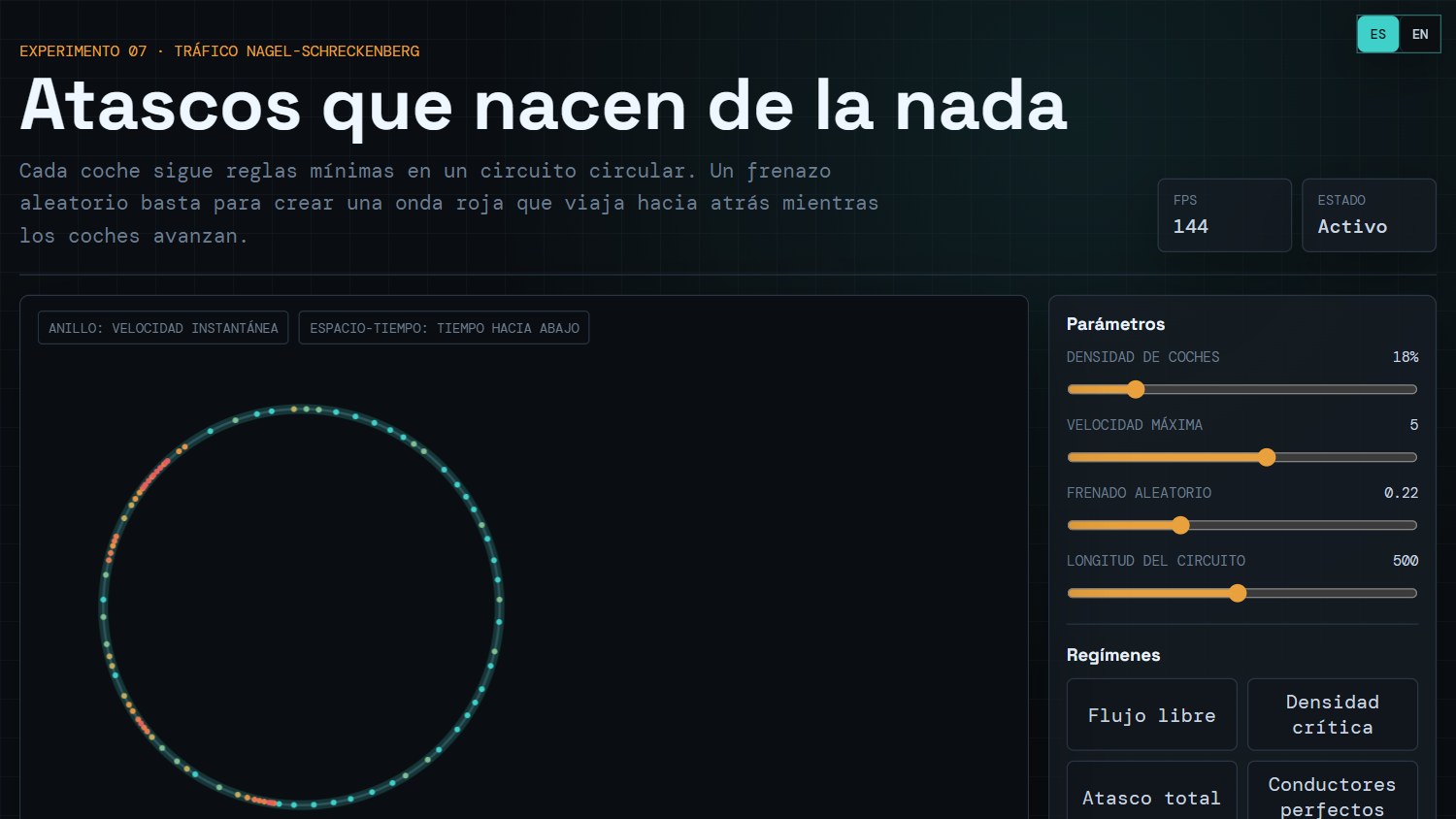
Traffic jams appear from simple acceleration, braking and random slowdown rules.
Search, sorting, evolution and robots, step by step.
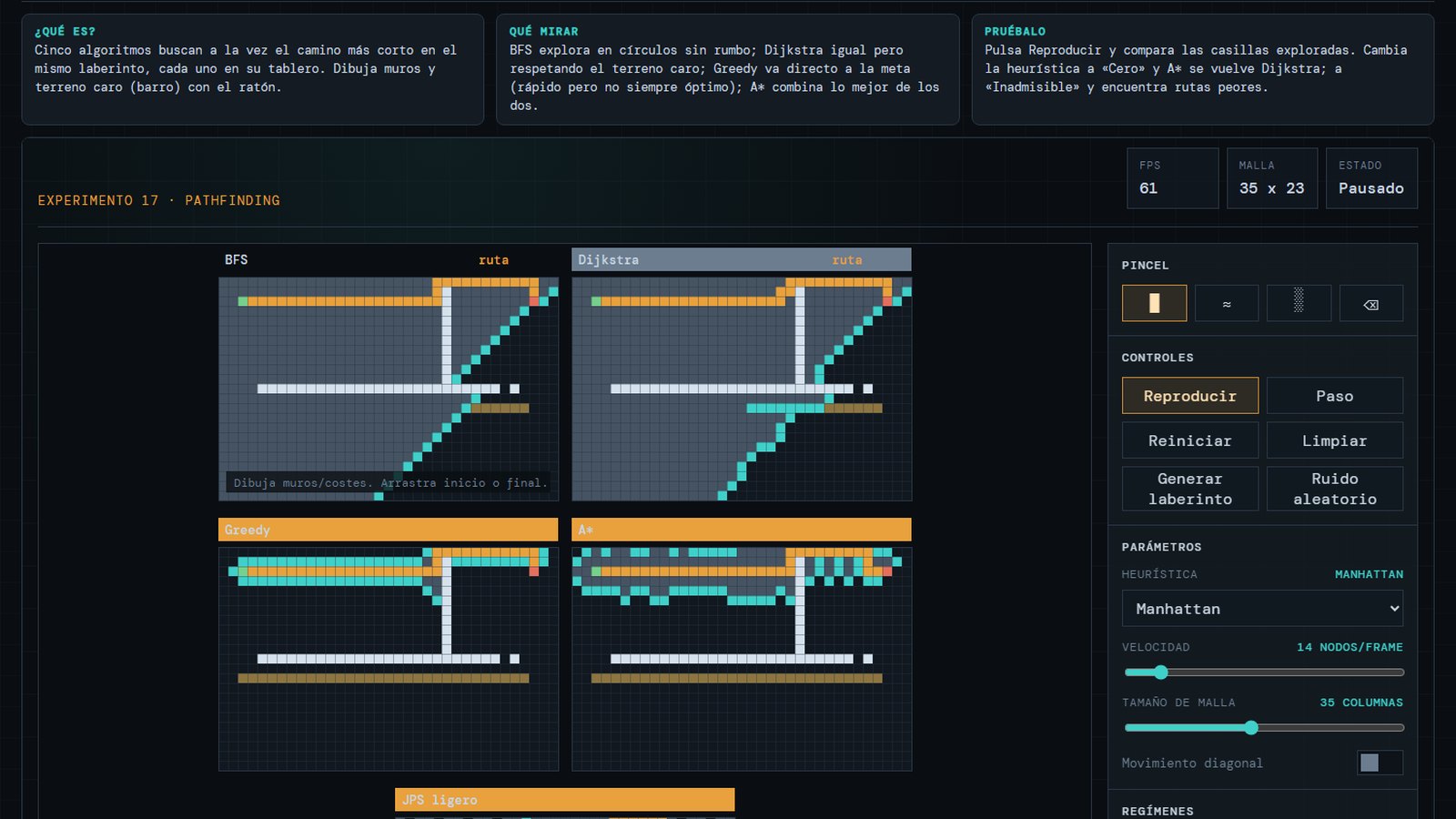
Three path-finding labs in one app: a maze, a robot with a body and the traveling salesman.
A constraint solver grows coherent tile patterns from local compatibility rules.
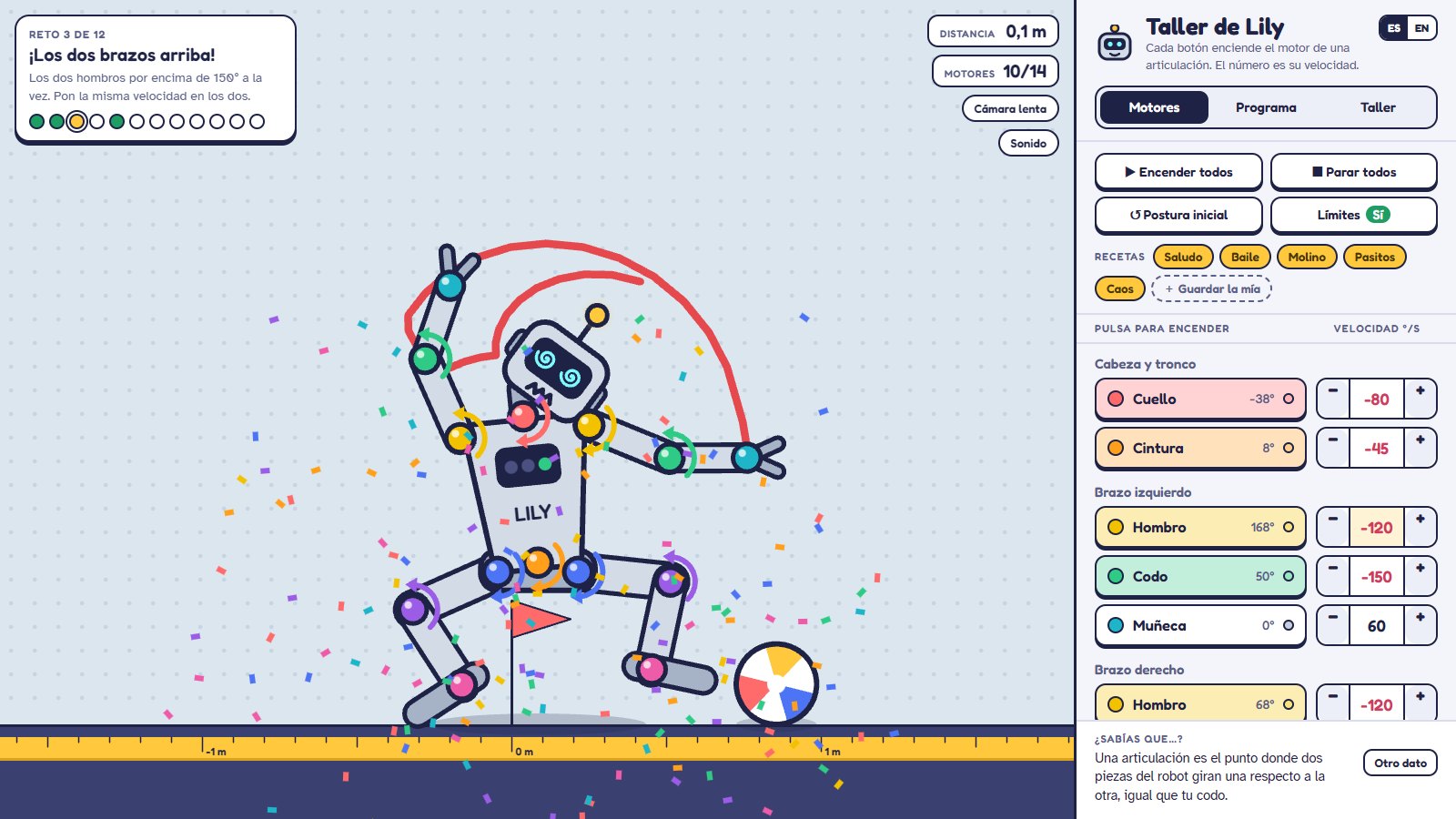
Program a 14-joint robot: switch motors on, set their speed, chain steps into programs and beat 12 challenges.
What we see, what we count, and how much it really tells us.
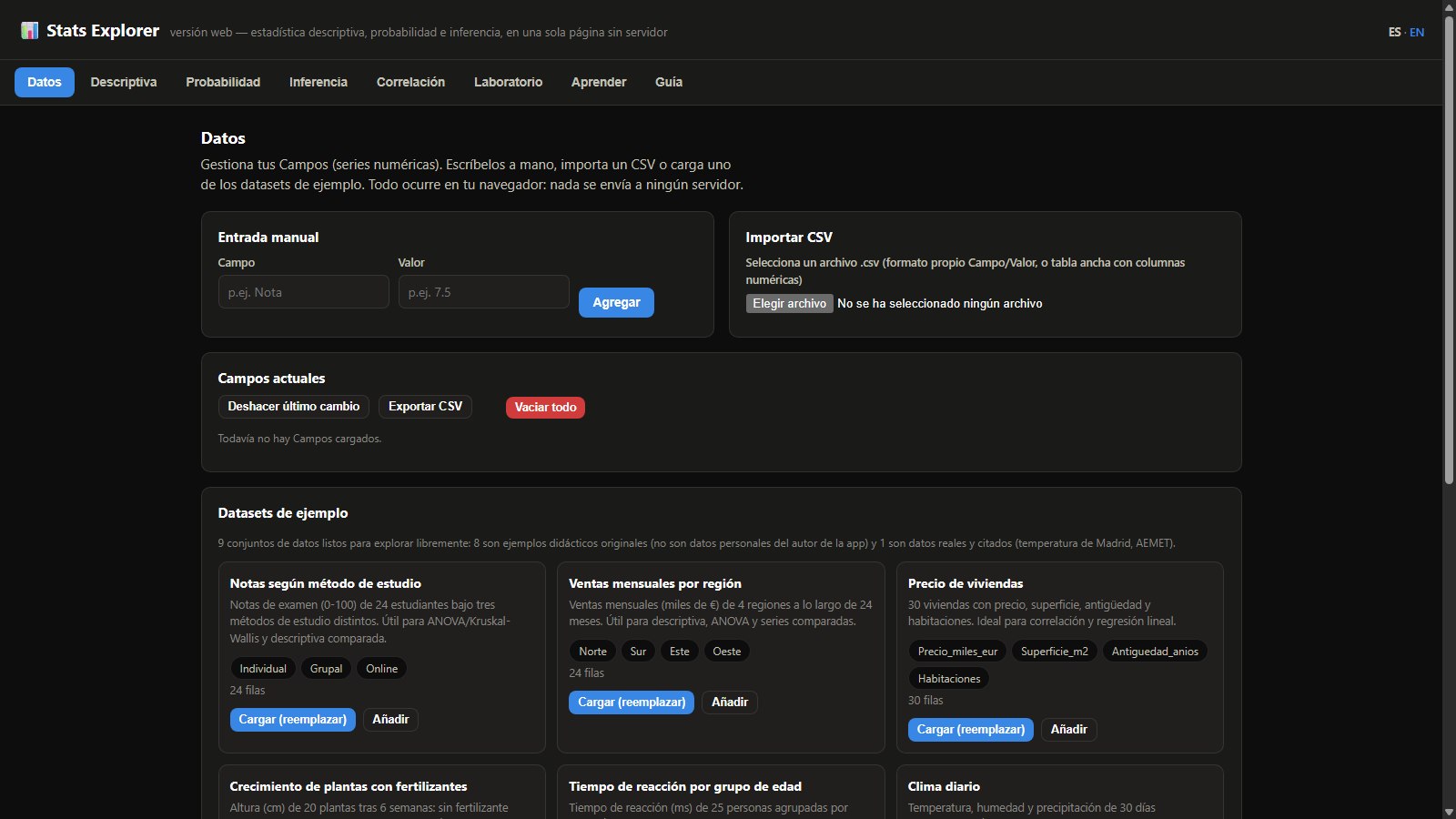
Twenty-one guided lessons use cited real datasets, including clearly identified selected or adapted subsets.
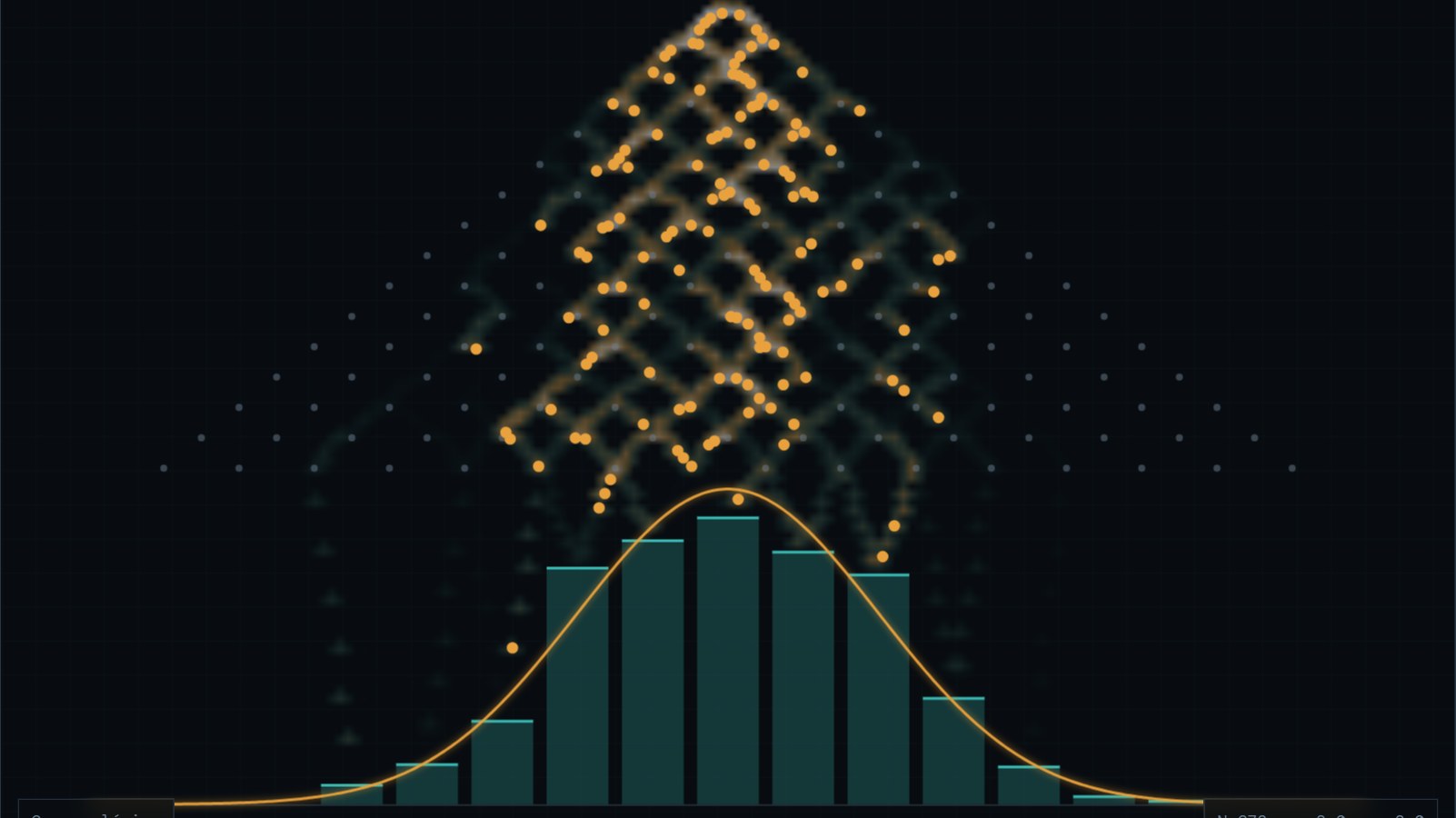
Independent unbiased steps approach a bell curve; bias or dependence changes the model's assumptions and result.